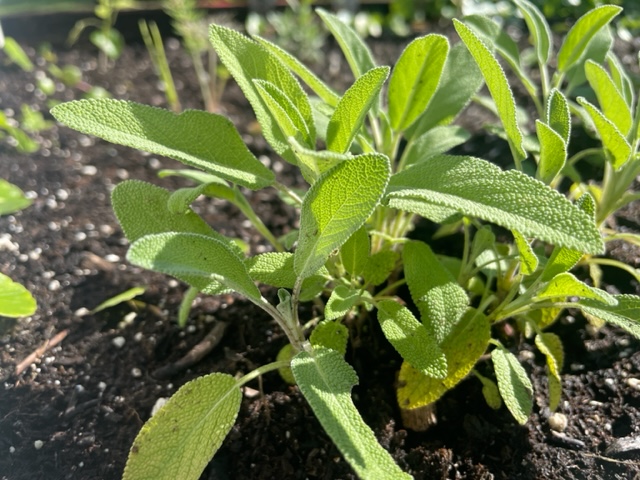
Essay #2: SoFla Gardening
January 31, 2024
But What If I Can’t Grow Anything?
I begin this piece with the above question because this type of insecurity manifested is precisely why you should consider growing herbs here in south Florida (and elsewhere for that matter).
Although my history of facilitating the growth of plants spans a few decades, I will admit readily that my early years were pot-bound experiments consisting of basil, parsley and puny tomato plants with low yields.
Also full disclosure, those plants just needed water and sunshine to grow—but there are some tips that I can share with you after my years of experience to ensure that they go beyond just the photosynthesis operation in motion and flourish with repeated yields of harvest and unparalleled joy at their simple existence. At least in south Florida.
Where Do I Begin? Start With What You Know and Use
At the end of my essay I hope to share a few of my favorite books that you can consider, however, we’re blessed to live in the 21st century with a World Wide Web of shared knowledge to research and pull from if you have access to the internet. In other words, you can start tomorrow if you start looking up stuff tonight on the subject of herbs.
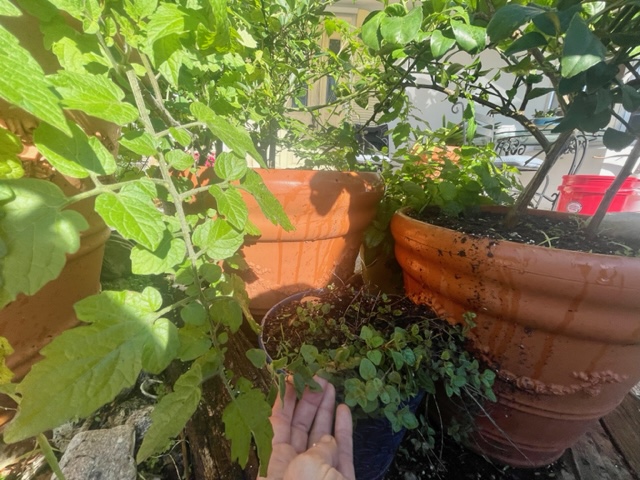
My humble advice is to start with what you know and love: Do you like basil? Parsley? Cilantro? Mint? Rosemary? Celery? Oregano? Great news! They all thrive in our latitudes of south Florida! They also are consistent year-round and in some cases like oregano and parsley, they don’t flower on an annual basis. (caution: I can only speak to my experience at my coordinates at 26.8396° N, 80.1019° W).
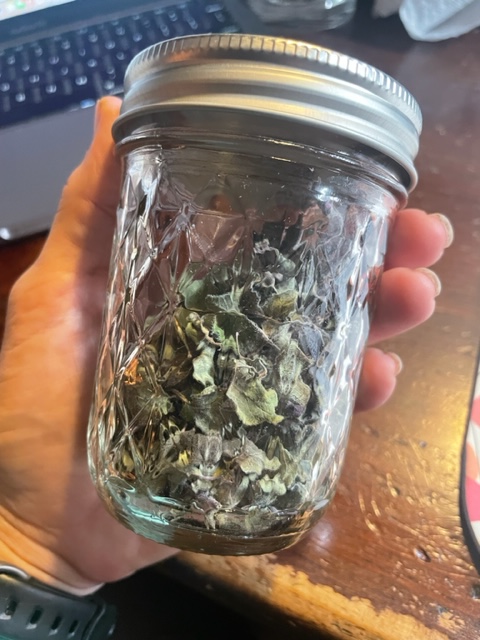
The great thing about herbs is that a little goes a long way. Herbs can be enjoyed both fresh or dried—I personally own a dehydrator to help with bumper crops of my herbs but you can use your oven or just hang to dry in a cool, humid-free area of your home. Below is my latest Greek oregano harvest in a jar, no need to crush the leaves after they’re dried. It’s best to do that when cooking with them as it helps retain the flavorful oils within.
Seriously though, stop and think about which are the herbs you love to consume, smell or just enjoy the look of and chances are that they can grow well for you. Chances are that there will be at least one or two that come to your mind immediately. Try those as even their minimal success in your planting will offer encouragement to continue and add new ones to your gardening habit.
If you’re a book lover, I do recommend you read “Grow What You Love” by Emily Murphy to help you think about what it is you enjoy and can plan to start with in your planting journey. She writes in a way that is applicable to whether you are a first-time gardener or a seasoned green thumb. I most appreciate that she helps guide the reader to find what it is we really want to grow for edibles and offers the encouragement to achieve the success of growing what you love and can eat: https://www.amazon.com/Grow-What-You-Love-Families/dp/0228100208/ref=sr_1_1?crid=3M71WB71HWSVL&keywords=grow+what+you+love&qid=1706752279&sprefix=Grow+what+you+%2Caps%2C250&sr=8-1
My Garden Revealed, Or At Least a Little Bit
It was only a couple years ago that I finally started some herbs from seed. I reveal this to make sure I don’t come off as if I know everything when it comes to growing these natural pharmaceuticals so to speak. Recall that many, if not most, of our synthetic drugs come from amazing plants growing in our planet. That being said, you should always research thoroughly and consult your health team when considering taking a copious amount of any particular herb or combination thereof. Caution: be especially careful when pregnant, there are certain herbs that can help and others that can hurt a woman with new life growing within.
As for procuring herbs to grow we are afforded the luxury of being able to purchase seedlings or established herbs in pots at most nurseries and big stores like Home Depot or Lowe’s. If the latter is your choice, I advise that you start with a variety of basil, parsley, rosemary or mint as these types are resilient in pots if you don’t have access to a garden bed or
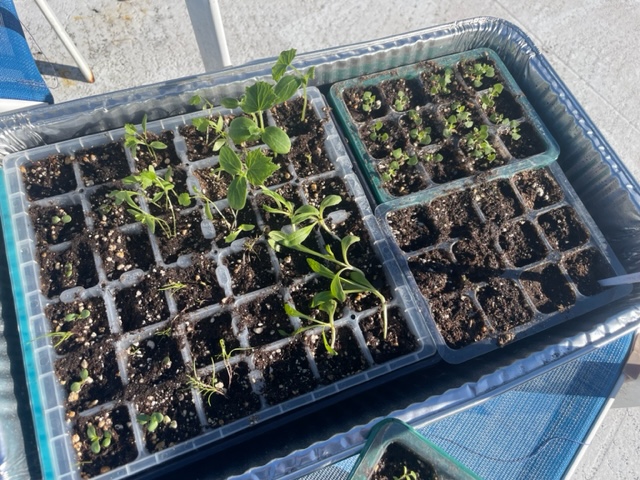
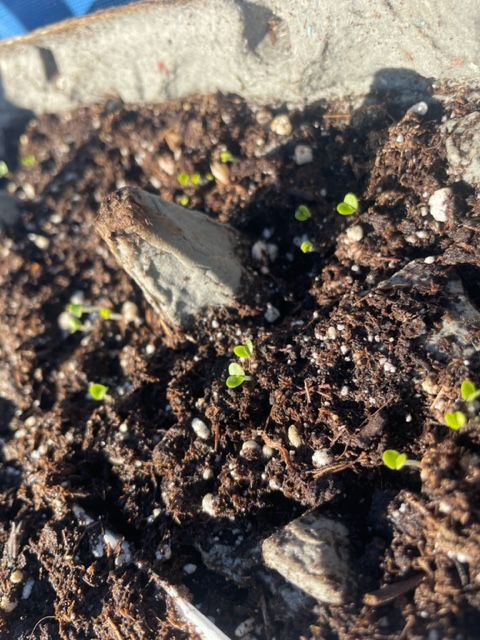
However, if you have a little extra time or are particularly mindful about your sources, I would like to encourage you to try starting your favorite herb (or two or three) by seed as it ensures the diversity of whatever palette you have, the nutritional needs of your household or simply your adventurous spirit. You can purchase all sorts of seedling trays or just reuse egg cartons and be sure to provide holes for drainage.
For Book Lovers: My Personal List of Herbal Guides et al
Although we have numerous social media platforms today and internet search engines where you can “google” or “duck go go” whatever search word you’d like, such as “parsley”, I still enjoy going through pages of books and marking places of interest. Plus, you don’t need a Wi-Fi signal or batteries to learn about things like making a “medicinal basil pesto” recipe if you have a ton of basil and how you can freeze it for later.
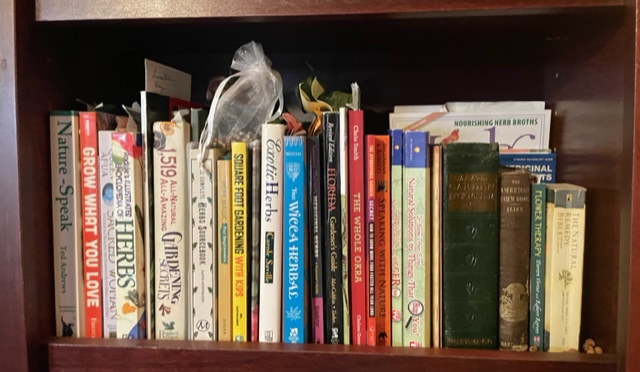
Here are a few of my well-worn favorites should you want to have a book or two to help your herbal growing journey:
- Medicinal Herbs – A Beginner’s Guide by Rosemary Gladstar
- Rodale’s Illustrated Encyclopedia of Herbs by Claire Kowalchik & William H. Hylton
- Mother Earth News magazines – any of them – they even have archives
- Herbal Cosmetics pamphlet by Jim Long (this guy has a lot of experience www.longcreekherbs.com)
- Herb Quartley Magazines: www.herbquartley.com
- The Complete Herbs Sourcebook by David Hoffman
- Florida Fruit & Vegetable Gardening by Robert Bowden (Celery is listed as a vegetable in this book, technically however it is an herb)
My Herbal Journey-At Least A Slice of It

Just a Handful of Hints: Heat Loving Herbs
In my humble south Florida gardening experience, I’ve found that oregano, lemongrass and basil just keep going despite the onslaught of heat and humidity that we can experience here for most of the calendar year.
Basil is the first plant I recall watching over and interacting with as a young child. It was in a pot and it did well when I regularly pruned it. When it flowered (I find it flowers often in Florida) I discovered that the seeds were well hidden behind the flowers and only accessible once the flowers fell off and the strand was dried. Fresh basil is unparalleled in its potency of flavor and ability to dress up any food dish as a decoration or an additive. Due to its high water content, basil is a bit more cumbersome to dry but will do well in a dehydrator as long as you seal it into a jar that’s airtight for storage. Recently, I tried a new basil variety via seed start, “lemon basil”, that is found at https://www.rareseeds.com/basil-lemon. Awesome flavor, hardly makes it back to the kitchen when I take a little out of my garden.
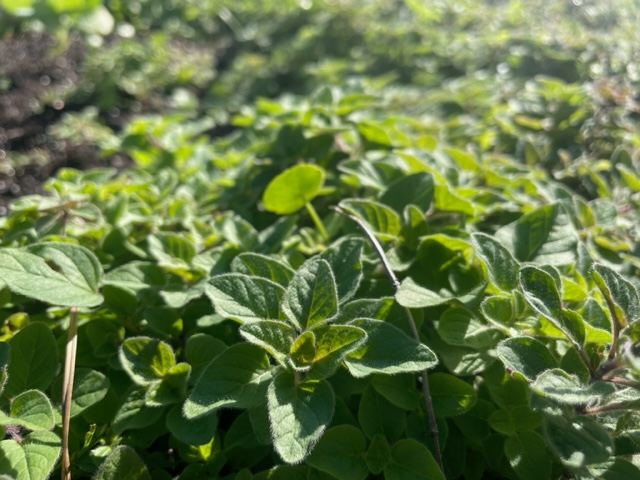
Oregano is my hero in that you can clip strands of it and stick it in a jar of water and it will grow roots to propagate easily. I have often gifted oregano in bouquets I give others or started them directly in a pot. My personal favorite variety is “Greek oregano” for its spicy flavor and when dehydrated makes a great culinary herb. The one pictured above I bought as a mail order seedling from one of my favorite suppliers called Mountain Valley Growers and I highly recommend their 6 plant combinations if you’re looking to start a base herb garden for cooking in your kitchen. They pack their live plants well and most of the plants I’ve bought from them over the last several years have survived and thrived: www.mountainvalleygrowers.com
Cilantro and Culantro: This is one of those herbs that you either love or hate. In my case, I absolutely adore consuming chopped up cilantro in fresh salsa or most any dish that involves onions or scrambled eggs. It easily reseeds itself and good thing since it bolts rather quickly. If you enjoy this herb even half as much as I do, I would advise either starting it by seed every couple of weeks or planting plugs you buy from a store once every 3-4 weeks to ensure a steady supply of fresh cilantro.
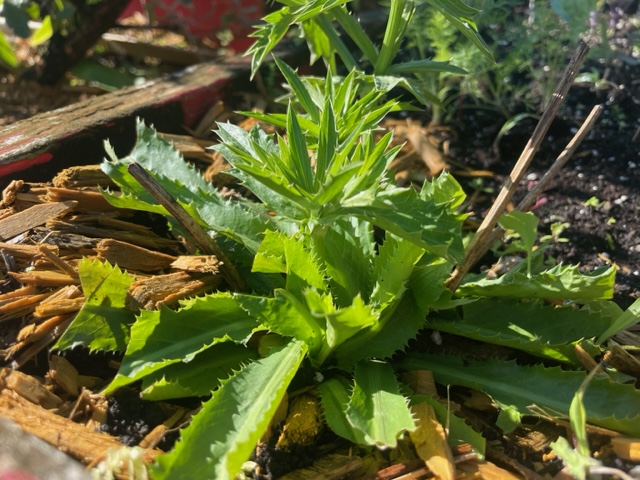
Culantro is the stiff and spiky version of cilantro. It also bolts to seed relatively quickly but its sturdy leaves continue to stay on the plant and can be cut and sliced thinly for whatever meal you’d like.
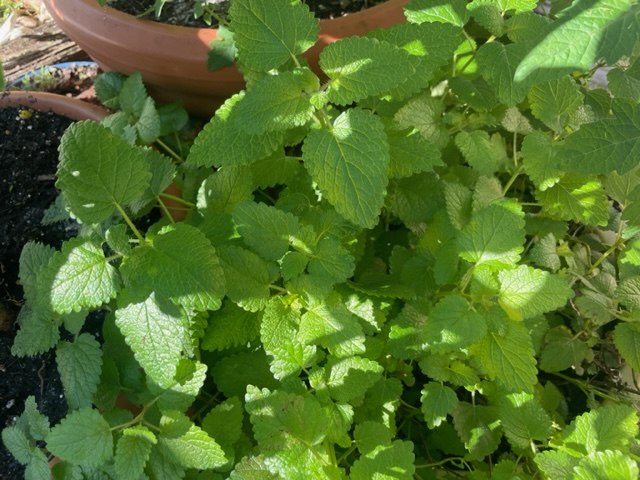
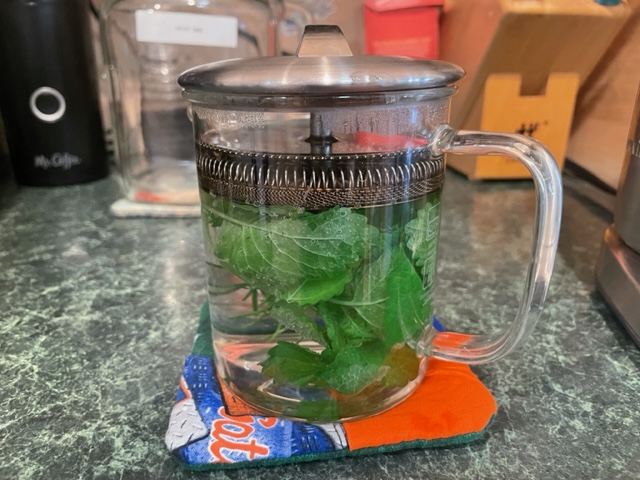
Lemonbalm needs regular watering and healthy soil but continues to give me a great yield even three years after I started it from seed. It seems to have a dormant period here in south Florida, usually May through September it’s muted in its growth. But it makes up for that pause the reast of the year with beautiful foilage and the opportunity to use its leave raw over a food dish or a spring with boiling water to make a refreshing lemon balm-infused water.
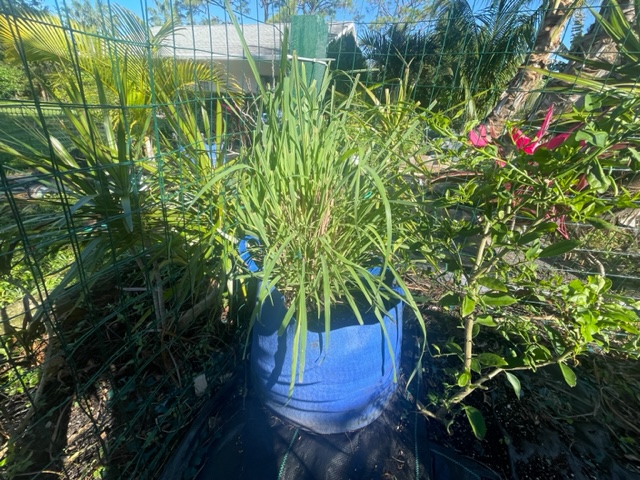
Lemongrass: You may be noticing a theme here, yes, I love anything lemon. Turns out lemongrass is an ingredient I discovered back in my Washington, DC working days as a congressional staffer when I first tasted Thai food, namely “Tom Kha Gai” which is a coconut milk based soup with among other savory ingredients—lemongrass. This is an incredibly easy grass to grow in south Florida which shouldn’t be surprising as I’m in the land of the Everglades nearby. Our climate here is conducive to all sorts of grasses and lemongrass is no exception. I now have two big pots full of lemongrass. Caution: like sawgrass or plants like sugarcane, the lemongrass blades do have a cutting/irritating surface and it’s easy to get minor scrapes when handling or harvesting (gloves are recommended).
Parsley is the first herb I cultivated in the ground while I was in high school. It thrived even when I couldn’t pay much attention to it as I handled my studies and extra-curriculars during those busy teenage years. As goes with many herbs, there can be many myths, legends, proverbs and such attached to certain ones. Parsley has one of my favorites: Parsley will only row outside the home of an honest man or a strong woman.
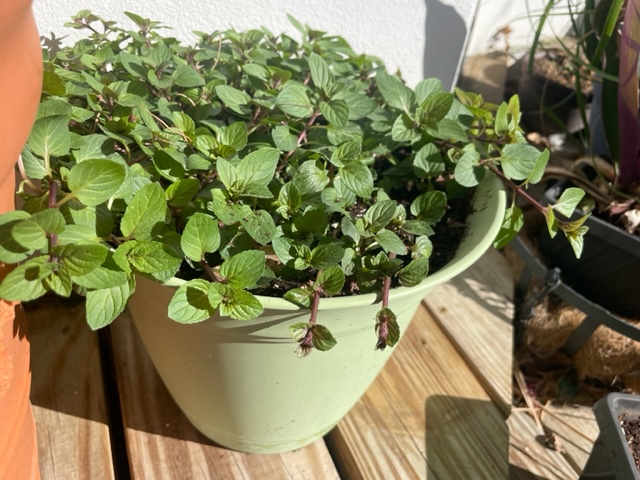
Mint has the reputation of being a rapidly spreading plant but I’ve not found that to be true here in south Florida. When I lived briefly in Chicagoland, yes. When I lived and owned a home in Maryland outside of the DC Beltway, most definitely! However, here in my Palm Beach Gardens plot I’ve lost at least 7 mint plants in the last 15 years. I currently have one in a pot that I thought was about to give up its ghost until I infused it with an organic water soluble feed and it came back from the dead like a chlorophyll-inspired Lazarus. Many may already know the benefits of having fresh mint available for edible use: think mint-infused water, mint tea, mint julep, mojitos and the list goes on.
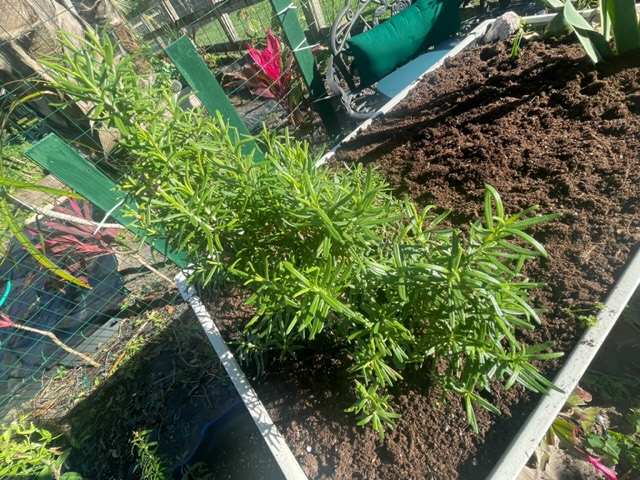
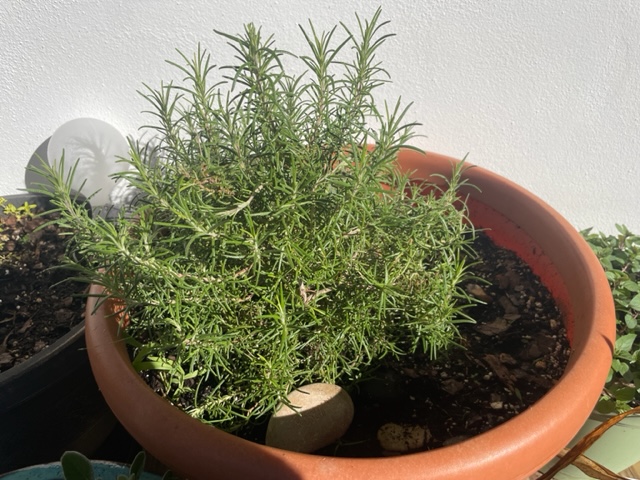
Rosemary is the last herb I’ll harp on as it’s also one of the most versatile herbs I’ve found in the past decade for our household and it frankly can stand the relentless heat that south Florida is known for. Traditionally, rosemary has been gifted to people who recently lost a loved one. You can snip rosemary and throw it into your bath for an aromatherapeutic treat. Roasted meats benefit from a sprig or two of rosemary for a delicious finish. Recently I tried a bread recipe for long bread strips with fresh rosemary in the dough as well as garnished on top. When we had hospice care nurses helping us with a loved one dying here at home last year, there was a woman from Haiti who taught me to make a simple tea with rosemary to drink as well as an infusion for my hair.
No End in Sight: Herbal Learning Continues
I will conclude this article by encouraging you to either start or continue your own herbal journey in growing what you know and moving to learning how to grow more of what you may need. It is likely I’ll continue to write on this subject in future essays and focus on particular herbs I’ve been able to cultivate and use in our household. The learning on this subject is literally endless for all of us.
Personally, I only learned recently that I can make teas on my own with fresh herbs and not only dehydrated forms. Lemonbalm steeped in hot water for a few minutes and then poured over ice makes for a refreshing water infusion:
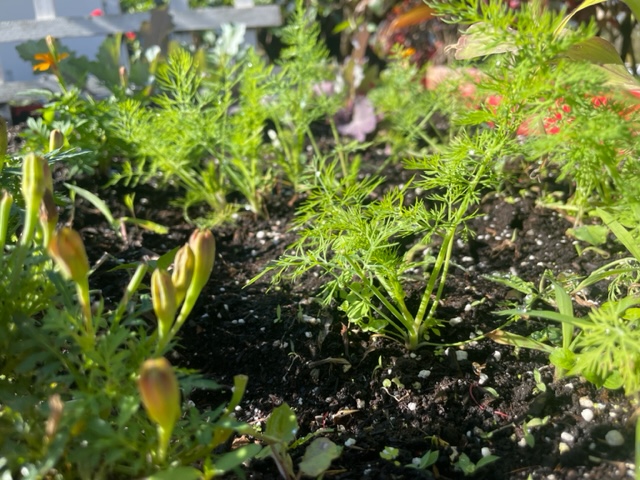
I’ve also been finding that it’s okay to take a garden bed and haphazardly throw several types of herbs together. Diversity in nature does well and helps the soil become stronger in its ability to retain and distribute nutrients. Ultimately, I’m finding that plants know their programming well and we can do our best and provide the conditions to help them live—the reward of harvesting and reseeding them is worth all the trials and eventual triumphs. Pictured below are baby dill plants along with marigold, culantro (out of frame) and my experimental kohlrabi in the background.
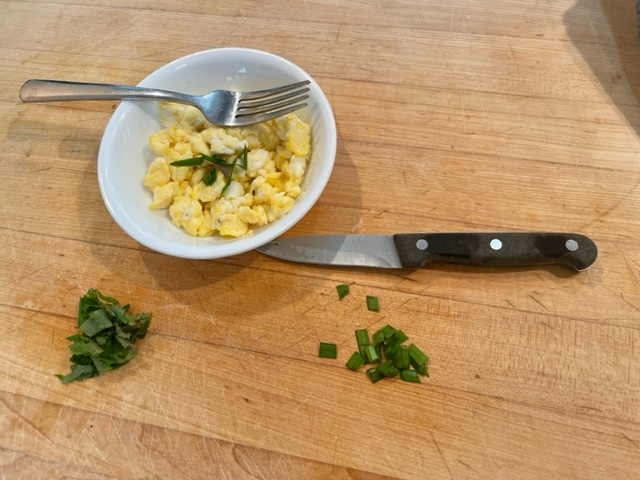
From a culinary perspective, I’ve also found that there are no real rules. You can take a simple dish like scrambled eggs and sprinkle on top your own mix of fresh herbs you have in your pots, garden beds or in the ground. Voilà, you have fresh produce with benefits!
Happy and blessed planting.
R.V.S.B.
“One is near God’s heart in a garden, Than anywhere else on Earth.” ~Dorothy Frances Gurney
 CEO of the Home